Aloe vallaris
An Angolan aloe described by L.C. Leach in 1974. There is essentially no published information on it beyond the original description, and GBIF holds a single record from the central Angolan plateau. The site has a wet summer and a completely rainless, sunny winter with cool nights.
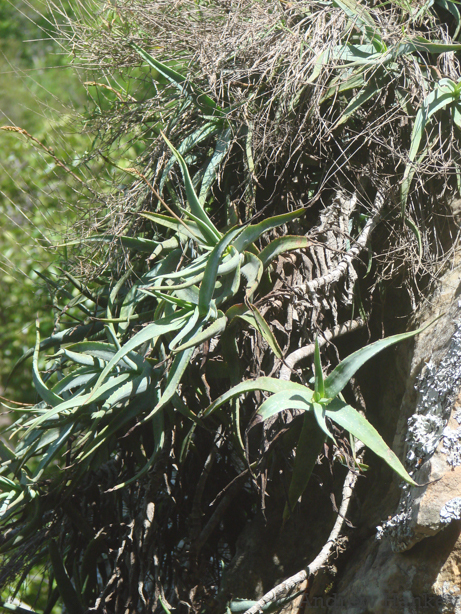
Where it grows wild
Its habitat is not described in the sources we could reach. The name vallaris (Latin for 'of a valley') suggests it grows in valleys. Assume a rocky, well-drained site in open country, as for most Angolan plateau aloes.
The single record is corrected to about 1340 m.
🔒 Growing it like that
The wild conditions above, turned into targets for a shelf, a tent or a greenhouse. The full profile has:
Grow Aloe vallaris? Add it to a free garden and its full profile opens. Pro opens all 38,374 profiles in the library, plants and fungi.
More Aloe
Profiles are drafts built from measured range and climate and from published sources; each section carries its own confidence in the app. Photo from Wikimedia Commons, used under its CC BY-SA 4.0 licence, unmodified.