Chlorophytum comosum
A clumping, fleshy-rooted herb from tropical and southern Africa. In the wild it forms dense stands in the undergrowth of moist forested river valleys, thickets, embankments and cliffs, spreading by plantlets on its arching flower stems. Its water-storing roots carry it through a dry, cool winter, which is why it tolerates neglect so well. It has naturalised in many places, including Australia, New Zealand, the Canary Islands, Madeira and Bangladesh.
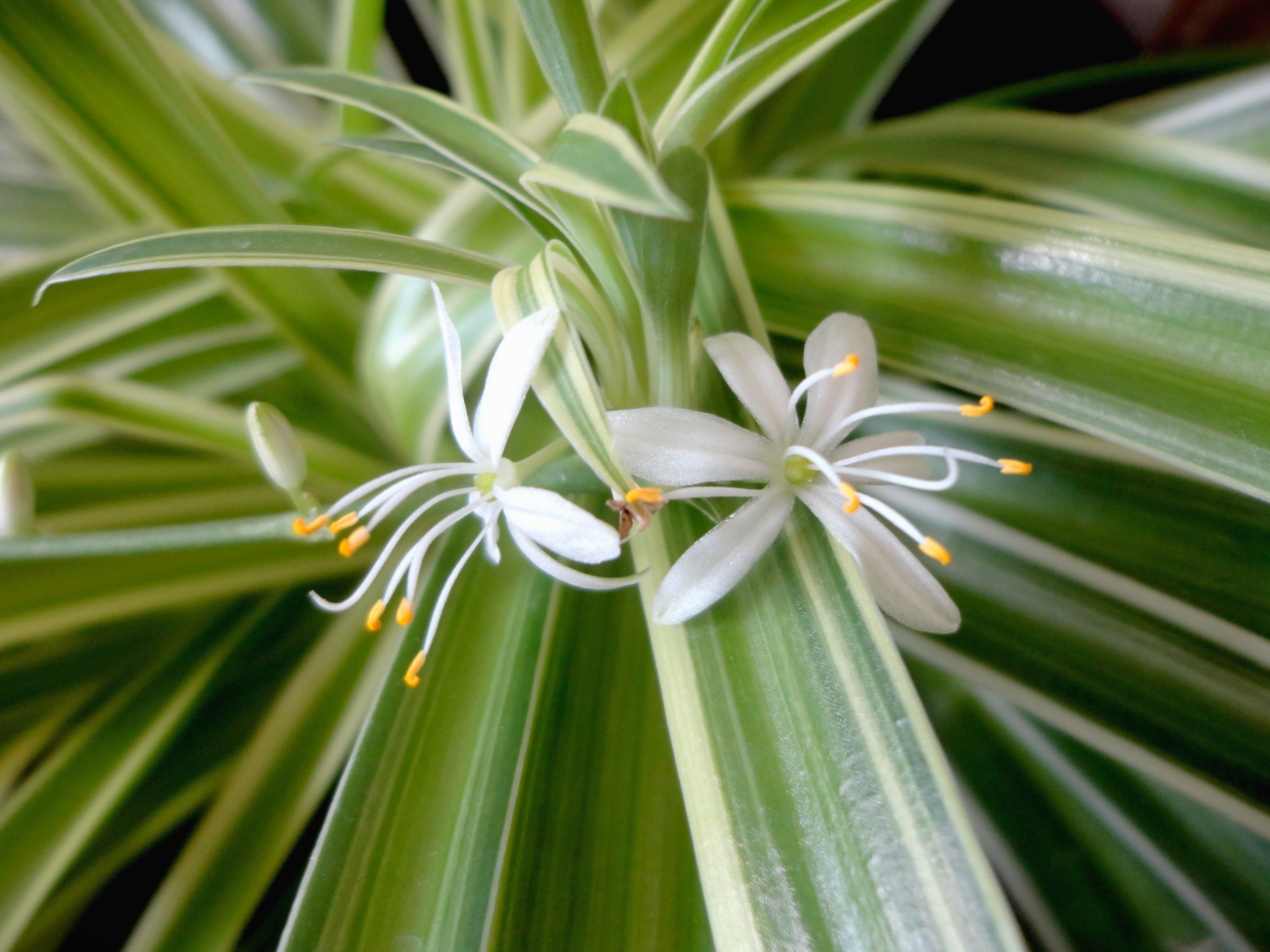
Where it grows wild
SANBI describes it in the undergrowth of forested river valleys, mountainous regions and thickets, on steep embankments, flat ground and cliffs. It grows on slightly acidic soils derived from sandstone, shale, dolerite or granite. It often forms dominant stands in moist forested valleys, and the var. comosum grown as a houseplant is described from forest margins.
SANBI gives sea level to over 1000 m in South Africa. Across the whole range, recorded elevations run 10–2450 m, with a median of 1395 m from 119 records, reflecting the East African highlands.
🔒 Growing it like that
The wild conditions above, turned into targets for a shelf, a tent or a greenhouse. The full profile has:
Grow Chlorophytum comosum? Add it to a free garden and its full profile opens. Pro opens all 38,374 profiles in the library, plants and fungi.
More Chlorophytum
Profiles are drafts built from measured range and climate and from published sources; each section carries its own confidence in the app. Photo from Wikimedia Commons, used under its CC BY-SA 4.0 licence, unmodified.